Green Initiatives: How E-Waste Recycling Services Are Protecting Our Planet
E-waste represents a considerable hazard to the environment, as disposed electronics frequently harbor hazardous substances. These hazardous substances can contaminate soil and water, causing extensive damage to surrounding ecosystems. E-waste recycling initiatives provide a practical answer. They not only recover valuable resources but also mitigate pollution. Comprehending the operation of these services and their influence on communities is of great importance. The journey towards effective e-waste management raises critical questions about individual responsibility and collective action. What steps can be taken next?
Why E-Waste Poses a Threat to the Planet
Although technology enhances modern life, e-waste creates significant environmental threats. Discarded electronic devices, often containing dangerous compounds like mercury, lead, and cadmium, are capable of seeping pollutants into soil and groundwater, creating hazards for human health and ecosystems. The accelerating rate of technological innovation contributes to higher rates of electronics disposal among consumers, exacerbating the accumulation of e-waste.
Landfills, already overwhelmed with refuse, find it difficult to handle the increasing amounts of discarded devices. Incineration, another disposal method, releases harmful pollutants into the atmosphere, contributing to air quality degradation. Furthermore, inadequate recycling methods can result in the shipment of electronic waste to underdeveloped nations, where workers may break down equipment without proper protective measures, putting themselves at risk of exposure to hazardous materials. This pattern of negligence and mismanagement highlights the critical demand for eco-friendly recycling alternatives that can reduce the damaging impact of electronic waste on the environment.
Understanding E-Waste and Its Significance
Electronic waste, commonly known as e-waste, encompasses discarded electronic devices such as televisions, computers, and smartphones that have reached the end of their useful life. This rapidly expanding waste category is noteworthy due to its rapid accumulation, driven by technological advancements and consumer trends. With an increasing number of devices reaching obsolescence, the toll on the environment grows more severe, with toxic materials such as lead, mercury, and cadmium posing risks to ecosystems and human health.
The importance of addressing e-waste lies not only in mitigating these hazards but also in recognizing the valuable materials it contains. Precious metals and rare earth elements can be recovered and reused, reducing the need for mining and conserving natural resources. By understanding e-waste and its implications, individuals and organizations can make informed decisions about disposal and recycling, ultimately contributing to a more sustainable future. Responsible management of e-waste plays a key role in supporting a circular economy and championing environmental stewardship.
The Way E-Waste Recycling Functions
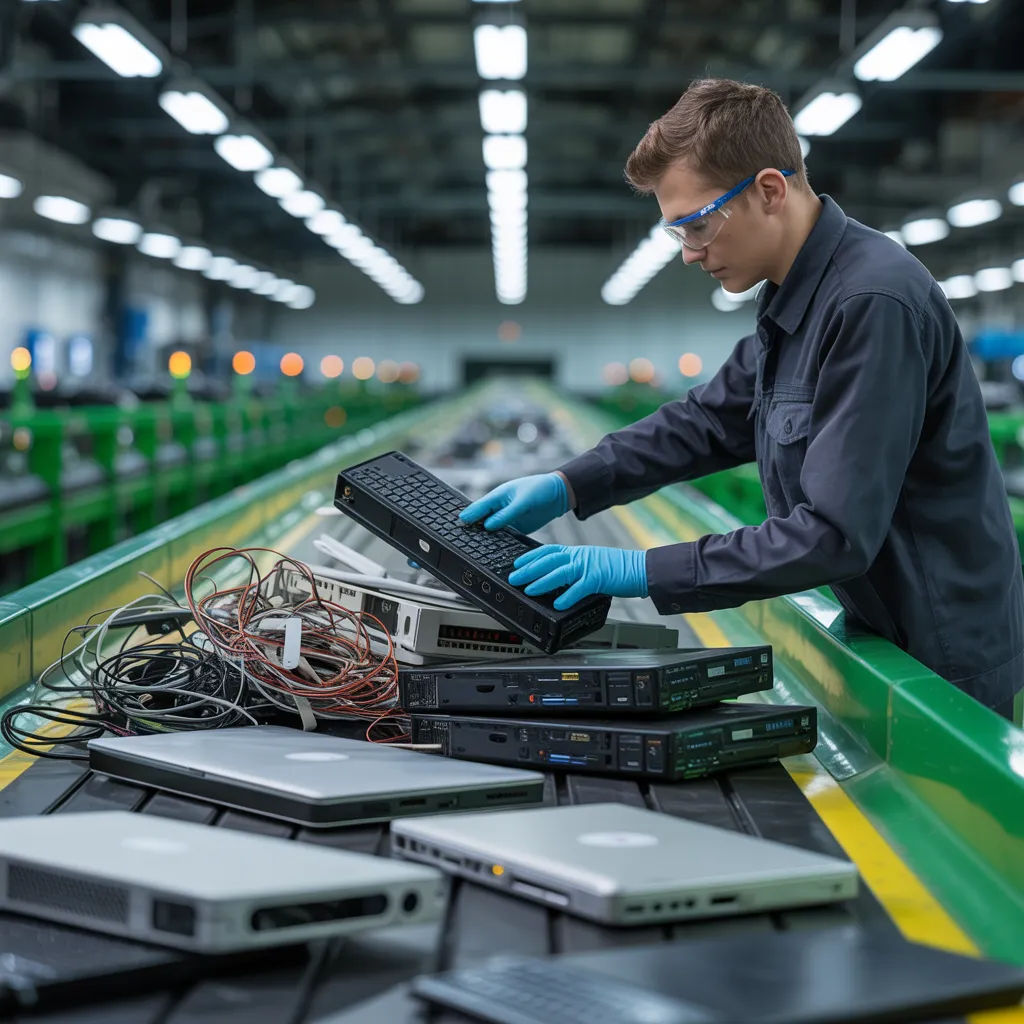
Recycling e-waste involves a structured approach aimed at reclaiming useful resources while limiting ecological damage. At the outset, e-waste is collected and transported to purpose-built recycling plants. After reaching the facility, the electronics are carefully categorized to distinguish harmful elements from reusable resources.
After this step, technicians deconstruct the electronics, removing metals, plastics, and glass. This stage is crucial, as it makes possible the recovery of rare metals like copper, gold, and silver, which are repurposed in new electronics.
Afterward, the sorted materials are refined using advanced techniques, such as mechanical shredding and chemical processing, to refine them for recycling.
In the final step, the leftover hazardous waste is handled with responsibility, following environmental guidelines. This multi-step approach not only conserves resources but also mitigates the risks associated with irresponsible electronic waste disposal, guaranteeing a greener future for electronic consumption.
Benefits of E-Waste Recycling for You and Your Community
Although it often goes unnoticed, the advantages of e-waste recycling reach well past personal use to meaningfully influence entire communities. By carefully processing electronic waste, individuals contribute to a safer environment, decreasing hazardous materials that can leach into soil and water. This forward-thinking practice works to protect local ecosystems and supports public health.
Moreover, electronic waste recycling supports workforce growth within communities. Nearby recycling establishments regularly need employees for various operations, from collection to processing, thereby providing employment opportunities for community members. This not only enhances the community economy but also fosters community involvement in eco-friendly practices.
Furthermore, awareness of e-waste recycling has the potential to generate awareness campaigns, equipping residents to embrace sustainable practices. By engaging with e-waste recycling programs, individuals cultivate a culture of sustainability, encouraging others to do the same. Ultimately, the collective impact of these actions can result in a more robust and eco-friendly community.
How to Pick an E-Waste Recycling Service
Picking the right e-waste disposal service is vital for guaranteeing that electronic waste is handled with responsibility and sustainability. Initially, people should verify the service's credentials, such as e-Stewards or R2, which indicate conformance to professional guidelines for secure waste disposal procedures. Additionally, it is advisable to examine the provider's standing by reviewing feedback and seeking recommendations from trusted sources.
Next, transparency in the recycling process is vital. A dependable company should supply straightforward details about how e-waste is processed and what becomes of the materials. Furthermore, evaluating the range of services offered can be beneficial; certain providers may offer collection services or present rewards for recycling.
Finally, understanding regional rules concerning e-waste disposal can further guide the selection process. When these considerations are given priority, consumers can play a role in responsible e-waste disposal alongside encouraging environmentally responsible practices.
Ways You Can Participate in E-Waste Recycling?
Participating in e-waste recycling may begin at the local level, where recycling centers regularly supply essential services for proper disposal. Furthermore, taking part in community awareness campaigns can amplify efforts to raise awareness about the importance of proper e-waste handling. These initiatives not only advance environmental sustainability but also foster a collective sense of accountability for the environment.
Regional Recycling Centers
A wide range of regional recycling hubs play an essential role in the recycling of e-waste, supplying communities with reliable ways to discard electronic waste in an eco-friendly way. These centers accept a variety of electronic equipment, including outdated computers, mobile phones, and TVs, ensuring that harmful materials are handled safely. The majority of facilities employ knowledgeable personnel who can guide individuals on proper disposal methods, highlighting the value of recycling rather than landfilling. In addition, various hubs coordinate organized drop-off opportunities or appointed collection periods, enabling residents to engage without difficulty. By taking advantage of these neighborhood resources, residents support a circular economy, lowering environmental harm and encouraging sustainable habits. Connecting with these stations enables communities to combat e-waste pollution successfully.
Community Outreach Campaigns
Nearby organizations, schools, and enterprises can partner to arrange initiatives that encourage e-waste collection drives. Community members can serve a critical function in spreading awareness, distributing educational materials, and engaging with the community. As a result of these combined actions, residents become more informed and motivated to recycle their electronic waste, thus playing a meaningful role in creating a more environmentally responsible future.
Answers to Your Most Common Questions
What Types of Electronics Can Be Recycled?
Many different electronics can be recycled, including computers, smartphones, televisions, laptops, gaming consoles, and printers. Furthermore, ancillary devices such as keyboards, mice, and batteries are equally appropriate for recycling, aiding in environmental conservation efforts.
Are There Any Costs Associated With E-Waste Recycling?
Yes, e-waste disposal can include costs, subject to the provider. Certain providers impose charges for pickup or handling, while others make services available at no charge, often subsidized by the sale of reclaimed components.
How Can Businesses Benefit From E-Waste Recycling?
Organizations can gain from e-waste recycling by minimizing disposal costs, strengthening their ecological standing, adhering to regulatory requirements, reclaiming useful materials, and creating potential earnings via resale, thereby fostering a more environmentally responsible business approach.
What Happens to Data on Recycled Devices?
Information on repurposed equipment is often completely removed or destroyed during the refurbishment process. This guarantees sensitive information stays protected, blocking unwanted intrusion while enabling materials to be recycled securely and sustainably within new applications.
Is It Possible to Recycle Damaged Electronics?
Absolutely, broken electronics Read on may be recycled. Many collection points take in defective devices, providing responsible disposal and recovery of valuable materials. It helps reduce environmental impact while supporting sustainable recycling habits to manage electrical waste responsibly.